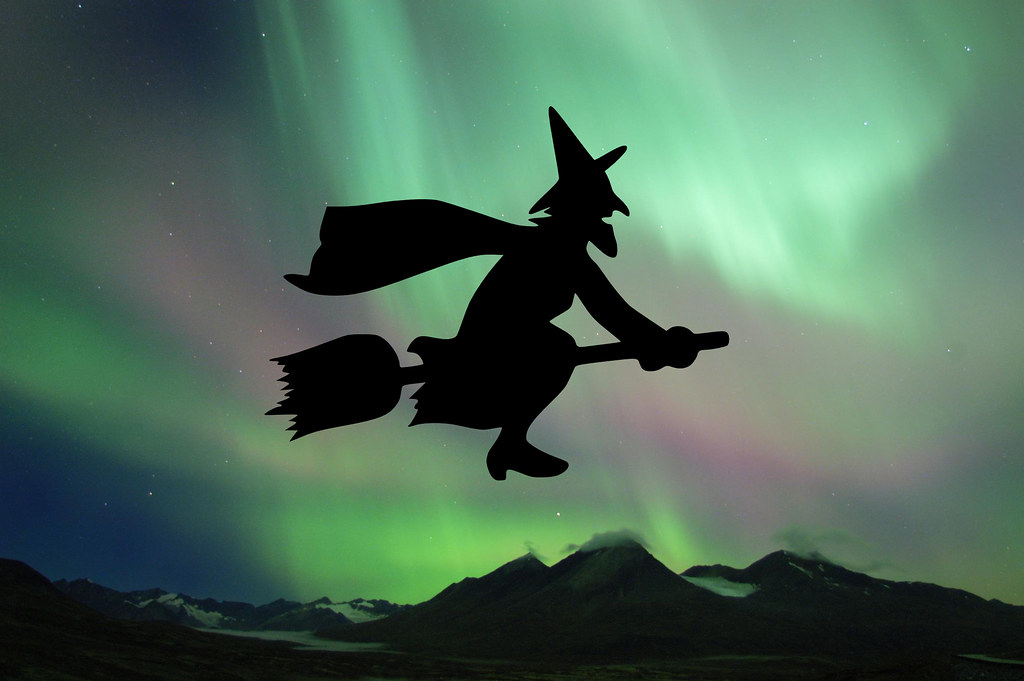
Halloween 2003 satellite events were a scary time for technology as satellites faced unprecedented challenges. This article explores the eerie happenings that impacted space communications during that Halloween.
The Impact of Halloween 2003 on Satellites
The Halloween 2003 satellite experience was a turning point for space monitoring and technology. During this period, a series of intense solar storms unleashed powerful coronal mass ejections (CMEs) that impacted satellites orbiting the Earth. These storms were not only visually stunning but also posed significant threats to the functionality of various space systems.
As they struck, several satellites reported numerous malfunctions, which raised concerns among scientists and engineers alike. The effects of these solar events included:
- Communication disruptions: Many satellites faced interference that impacted telecommunications and broadcasting services.
- Navigation system failures: GPS satellites experienced inaccuracies, leading to challenges in navigation for users worldwide.
- Increased radiation exposure: Satellites in low Earth orbit were exposed to higher levels of radiation, which could potentially damage their electronic components.
One notable consequence was the heightened awareness of the need for better protective measures against solar activity. Engineers began to prioritize hardening satellite technology to withstand such events in the future. The Halloween 2003 satellite incident served as a stark reminder of the vulnerabilities that exist in space, leading to improvements in satellite design and operational protocols.
As space agencies continue to monitor solar activity, the legacy of Halloween 2003 remains a critical chapter in understanding the relationship between solar events and satellite operations.
What Happened During Halloween 2003?
During Halloween 2003, a series of intense solar storms wreaked havoc on satellites orbiting Earth. This period, often referred to as the “Halloween 2003 satellite” events, saw a remarkable increase in solar activity, which included multiple coronal mass ejections (CMEs). These CMEs released vast amounts of solar plasma and magnetic fields into space, directly impacting satellite operations.
The storms began to escalate on October 28, 2003, with a powerful flare that produced a significant amount of radiation. This radiation posed risks to both astronauts in orbit and the technology used for communication and navigation. Satellites experienced disruptions, including:
- Signal Interference: Many satellites faced temporary outages or degraded performance due to the charged particles interacting with their electronics.
- Orbit Changes: Some satellites were forced to adjust their orbits to avoid damage from the intense radiation.
- Increased Drag: Satellites in low Earth orbit encountered increased atmospheric drag, complicating their stability.
The effects of these storms highlighted vulnerabilities in satellite technology and raised awareness among space agencies regarding the need for better protective measures. As a result, the Halloween 2003 satellite incidents remain a cautionary tale in the field of space weather.
The Worst Satellite Challenges of 2003
The year 2003 was marked by several significant challenges for satellites, particularly during the Halloween season. The Halloween 2003 satellite events brought unexpected turmoil as a series of solar storms unleashed their fury on space technology.
These storms, driven by intense solar activity, created a hazardous environment for satellites orbiting Earth. As a result, operators faced a myriad of difficulties, including:
- Increased Radiation Exposure: Satellites were bombarded with high levels of radiation, which posed risks to their electronic systems and could lead to malfunction or complete failure.
- Communication Disruptions: The storms interfered with radio signals, complicating communication links between satellites and ground stations, which are crucial for operational commands and data transmission.
- Orbit Perturbations: The altered atmospheric conditions caused by the storms affected satellite trajectories, necessitating frequent adjustments to maintain proper orbits.
- Data Integrity Issues: Instruments aboard satellites were compromised, leading to inaccuracies in data collection and reporting, which could impact research and forecasting capabilities.
As satellite operators navigated these daunting challenges, the Halloween 2003 satellite incidents served as a stark reminder of the potential dangers posed by natural phenomena in space.
Understanding Satellite Technology
Understanding satellite technology is crucial to grasp the full impact of events like the Halloween 2003 satellite crisis. Satellites are sophisticated devices that orbit the Earth, enabling communication, navigation, and Earth observation. These technological marvels rely on a delicate balance of hardware and software to function properly, making them vulnerable to various external factors.
Satellites are equipped with various components including:
- Transponders: Essential for receiving and transmitting signals.
- Power Systems: Solar panels and batteries provide the necessary energy.
- Control Systems: Help maintain proper orientation and trajectory.
- Sensors: Monitor environmental conditions and satellite health.
During intense solar events, like those experienced in Halloween 2003, satellites can face significant threats. The increased solar activity disrupts the ionosphere, leading to communication blackouts and navigation inaccuracies. Furthermore, energetic particles from solar flares can damage satellite electronics, compromising their operation.
The Halloween 2003 satellite crisis serves as a vivid reminder of how fragile our technological advancements are against natural phenomena. As we continue to rely on satellite technology for daily operations and critical services, understanding these vulnerabilities becomes increasingly important.
Lessons Learned from Halloween 2003
The Halloween 2003 satellite events serve as a crucial reminder of the vulnerabilities faced by space technology in the face of natural phenomena. As solar activity peaked, satellites experienced unprecedented challenges that led to significant disruptions. The lessons learned from this period can help improve future satellite resilience and operational protocols.
- Importance of Monitoring Solar Activity: Continuous monitoring of solar flares and coronal mass ejections is essential for predicting potential impacts on satellites. Enhanced forecasting can help satellite operators prepare for adverse conditions.
- Robust Design and Shielding: The experiences from Halloween 2003 highlight the need for improved shielding against radiation. Designing satellites to withstand extreme solar events can prevent operational failures.
- Improved Communication Systems: During the Halloween 2003 satellite disruptions, communication was often compromised. Developing more resilient communication systems can ensure that satellite operators maintain contact during solar storms.
- Collaboration Across Agencies: The need for collaboration among space agencies worldwide became evident. Sharing data and strategies can lead to better preparedness and response plans for future solar events.
In conclusion, the Halloween 2003 satellite challenges provided vital insights that can drive advancements in satellite technology, ultimately helping to safeguard against future solar threats.
By U.S. Geological Survey via Openverse
Sources
ISRO GSLV-F18 launch: Is it the Best Step for India? · Oppo Find X10 Review: Best Battery Life with Proven Performance · Caffeine Dry Eye Disease: Proven Links to Tear Health

One thought on “Halloween 2003 Satellite: The Worst Scare for Space”