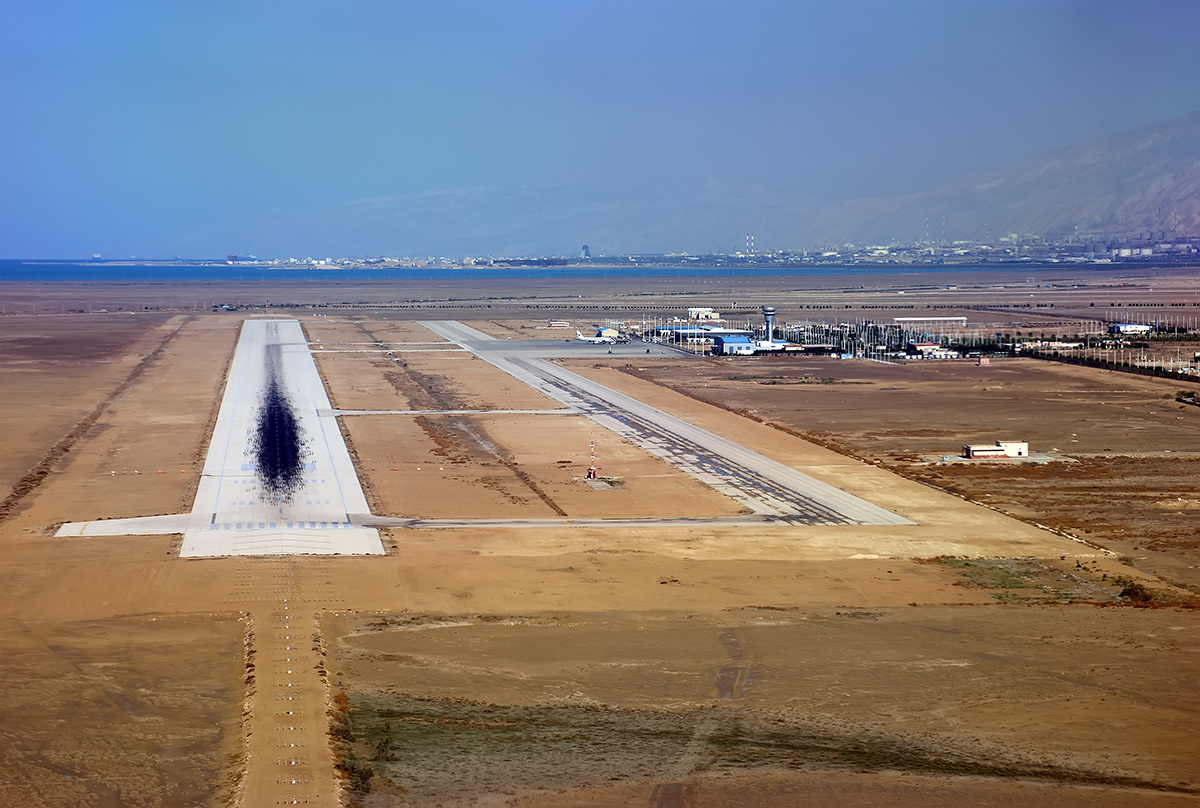
Gulf Airports are now in the crosshairs as they face significant challenges affecting their role in global connectivity. This situation raises concerns for travelers and airlines alike.
Current State of Gulf Airports
The current state of Gulf airports reflects a significant shift in global connectivity, as these major hubs face unprecedented challenges. Once celebrated for their strategic locations and advanced facilities, these airports are now grappling with various issues that threaten their status as vital links in international travel.
One of the primary concerns is the ongoing geopolitical tensions in the region, which have led to restrictions and reduced flight operations. As a result, travelers are experiencing longer wait times and limited options for connecting flights. The impact of these developments on Gulf airports is profound, with many airlines reconsidering their routes and schedules.
In addition to geopolitical factors, economic fluctuations have also contributed to a decline in passenger traffic. As global travel patterns evolve, the reliance on Gulf airports for transit has diminished. This change has prompted a reevaluation of infrastructure investments, as airports strive to adapt to a new reality.
Some key challenges facing Gulf airports include:
- Decreased passenger volume: A significant drop in travelers has strained airport revenues.
- Increased competition: Other regional airports are vying for the same market share.
- Maintenance and upgrades: Aging facilities need urgent attention to meet modern standards.
As Gulf airports navigate these tumultuous waters, their ability to restore global connectivity remains uncertain.
Economic Impact on the Region
The economic impact of disruptions at Gulf Airports is becoming increasingly evident, affecting not only the region but also global connectivity. These airports, once hailed as vital hubs for international travel, now face significant challenges that ripple through various sectors.
The following points highlight the key economic ramifications:
- Tourism Decline: With fewer flights and increased travel restrictions, the tourism industry in Gulf nations is suffering. This decline has a direct effect on local economies that rely heavily on tourist spending.
- Job Losses: Many businesses associated with Gulf Airports, including airlines, hospitality, and retail, are experiencing layoffs as operations shrink. The loss of jobs poses a threat to regional stability and growth.
- Trade Disruptions: Gulf Airports play a crucial role in facilitating cargo transport. Delays and cancellations are hindering supply chains, affecting businesses that depend on timely deliveries.
- Investment Hesitation: As uncertainty looms over the operational capabilities of Gulf Airports, potential investors may hesitate to commit capital, stalling economic development plans.
Ultimately, the current state of Gulf Airports not only jeopardizes regional economies but also has far-reaching effects on global connectivity, necessitating urgent reassessment and strategic planning.
Challenges Facing Airlines
The aviation industry is currently grappling with numerous challenges that directly impact airlines operating through Gulf airports. These challenges not only affect the airlines but also have broader implications for global connectivity.
One significant issue is the increased regulatory scrutiny faced by airlines due to safety and security concerns. Governments are imposing stricter regulations, leading to a rise in operational costs and reduced flexibility for airlines.
Moreover, the geopolitical tensions in the region have created an unpredictable environment for airlines. Flight routes are often altered, resulting in longer travel times and increased fuel consumption, which ultimately affects ticket prices and passenger demand.
Another challenge is the infrastructure limitations at some Gulf airports. While many airports in the region were designed to accommodate a high volume of international traffic, the rapid increase in passenger numbers has led to congestion and delays. This situation strains airlines, making it difficult to maintain schedules and customer satisfaction.
Additionally, the ongoing issues surrounding environmental sustainability are pressuring airlines to adopt greener practices. As Gulf airports strive to enhance their sustainability efforts, airlines face the challenge of balancing operational efficiency with environmental responsibility.
As these challenges mount, the impact on Gulf airports and their role in global connectivity becomes increasingly pronounced.
Travelers’ Concerns
As travelers navigate the complexities of modern air travel, concerns surrounding Gulf Airports have become increasingly prominent. Passengers express discontent over various issues that hinder their experiences and overall connectivity.
- Delays and Cancellations: Many travelers report frequent delays and cancellations at Gulf Airports, attributing these disruptions to operational inefficiencies and increased traffic congestion.
- Security Measures: Heightened security protocols, while necessary, often lead to longer wait times and increased stress for passengers, complicating their journeys.
- Limited Facilities: Despite the lavish designs of some Gulf Airports, travelers frequently voice frustration about the limited amenities available, such as lounges and dining options, especially during layovers.
Moreover, the impact of geopolitical tensions cannot be overlooked. Travelers often feel uneasy about flying through Gulf Airports due to concerns over safety and political stability in the region. This fear is compounded by fluctuating travel restrictions that can change with little notice.
In addition, the rise of alternative flight routes has led to a growing preference for bypassing Gulf Airports altogether. As a result, airlines are experiencing shifts in passenger behavior, prompting them to reevaluate their operational strategies in light of evolving traveler preferences.
Ultimately, as Gulf Airports strive to maintain their status as major international hubs, addressing these concerns is vital for restoring traveler confidence and enhancing global connectivity.
Future of Airport Connectivity
The future of airport connectivity in the Gulf region remains uncertain as evolving circumstances threaten to diminish its once pivotal role in global transportation. While Gulf airports have historically been seen as gateways bridging the East and West, recent developments suggest a shift in their operational dynamics.
Several factors contribute to this evolving landscape:
- Technological Advancements: Innovations in communication and transportation technology might lessen the dependency on traditional hubs, allowing travelers to choose more direct routes.
- Environmental Regulations: Growing awareness of climate change could lead to stricter regulations that may impact flight operations at Gulf airports, affecting their efficiency and attractiveness.
- Shifts in Travel Patterns: The pandemic has altered global travel habits, with many travelers now prioritizing health and safety, potentially steering them away from crowded terminals.
- Increased Competition: Other regions are investing in their airport infrastructures, which may provide travelers with alternative routes and options that compete with Gulf airports.
Despite these challenges, there remains a possibility for Gulf airports to adapt and innovate. By embracing sustainable practices and enhancing passenger experiences, they could maintain their status as vital links in global connectivity. The coming years will be crucial as stakeholders navigate this transformative phase in the aviation industry.
Government Responses
In response to the challenges faced by Gulf airports, governments in the region are taking significant steps to mitigate the negative impacts on global connectivity. These measures aim to not only restore confidence among travelers but also to ensure the sustainability of the aviation industry.
Key government responses include:
- Investment in Infrastructure: Many Gulf nations are increasing their investment in airport infrastructure to enhance passenger experience and streamline operations.
- Regulatory Revisions: Authorities are reviewing and revising regulations to promote flexibility and innovation within the airline industry, adapting to the evolving nature of global travel.
- Enhanced Safety Protocols: To address travelers’ concerns, governments are implementing stringent safety and health measures at airports, ensuring that passengers feel secure while traveling through Gulf airports.
- Collaborative Efforts: Gulf states are engaging in partnerships with international airlines and organizations to share best practices and improve connectivity, emphasizing the importance of cooperation in overcoming challenges.
- Financial Support: Governments are providing financial assistance to struggling airlines, helping them navigate through tough times and maintain operations.
As these measures unfold, the hope remains that Gulf airports will regain their status as vital players in global aviation, facilitating seamless travel and reaffirming their role in connecting the world.
Conclusion and Outlook
In conclusion, the current situation surrounding Gulf Airports presents a significant challenge not only for the airlines operating within the region but also for global connectivity as a whole. As these airports were designed to serve as crucial hubs linking various parts of the world, any disruption in their functionality has far-reaching implications. The challenges faced, from infrastructural limitations to regulatory hurdles, threaten to undermine the role these airports play in international travel and commerce.
Looking ahead, it is essential for stakeholders, including government entities and airline operators, to work collaboratively in addressing these issues. Investments in modernizing infrastructure and enhancing passenger experience are critical steps that must be taken to restore confidence in Gulf Airports. Moreover, policies aimed at fostering international partnerships will be vital in ensuring that these airports can maintain their status as global transit points.
As the world gradually recovers from recent disruptions, the focus should remain on how to leverage the unique position of Gulf Airports to facilitate smoother travel experiences. The outlook is cautiously optimistic, provided that proactive measures are implemented to tackle the ongoing challenges. Ultimately, a concerted effort to improve connectivity at these airports will not only benefit the region economically but also reinforce their importance in the global aviation landscape.
By Mohammadreza Farhadi Aref via Openverse