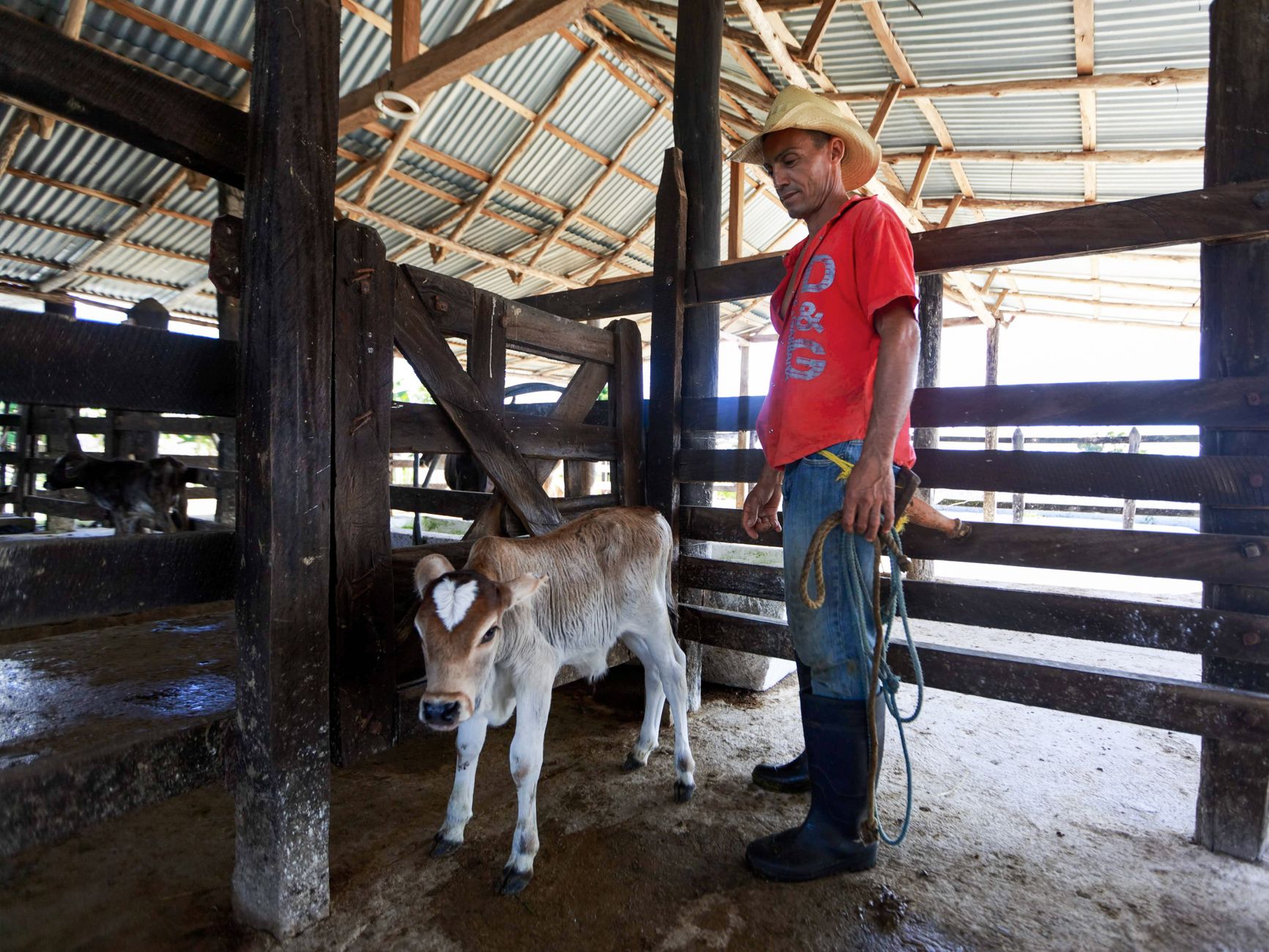
Trump ranchers beef imports are stirring unrest as some ranchers express dissatisfaction with the current administration’s policies. This shift in sentiment raises important questions about loyalty and economic implications.
Understanding the Shift in Rancher Loyalty
As the political landscape continues to shift, ranchers who once stood firmly behind Trump are now grappling with the implications of increased beef imports. This change has led to a palpable sense of uncertainty among cattle producers, who feel the impact on their livelihoods. Many ranchers are voicing concerns about how these imports could undermine domestic beef prices and affect their operations.
Several factors contribute to the wavering loyalty:
- Economic Pressures: With rising costs and competition from imported beef, ranchers are struggling to maintain profitability.
- Trade Policies: Some ranchers believe that Trump’s policies may not favor their interests in the long run.
- Market Dynamics: The influx of foreign beef has altered the market landscape, leaving many uncertain about future sales.
This evolving situation signals a critical moment for ranchers, as they reassess their allegiance to Trump amidst these challenging conditions.
The Economic Impact of Beef Imports
The surge in beef imports has left many ranchers questioning their loyalty to Trump, as the economic repercussions become increasingly evident. Ranchers, who once stood firmly behind the former president, are now grappling with tough choices that could reshape their livelihoods.
Several factors contribute to the economic impact of beef imports:
- Price Pressure: Increased imports often lead to lower prices for domestically produced beef, squeezing ranchers’ profit margins.
- Market Competition: Imported beef can flood the market, making it challenging for ranchers to compete.
- Consumer Preferences: Shifts in consumer demand towards imported beef may undermine the value of local ranching efforts.
As ranchers navigate these challenges, the debate over beef imports continues to intensify, potentially redefining their relationship with Trump and his administration.
Challenges Facing the Agriculture Sector
The agriculture sector is currently navigating a myriad of challenges, particularly for ranchers who supported Trump. These individuals are now facing tough choices as they confront the implications of increased beef imports. The influx of foreign beef has led to a saturated market, driving down prices and making it difficult for local ranchers to maintain profitability.
Many ranchers express frustration over the perceived lack of support from the administration regarding these imports. They argue that Trump ranchers are being disadvantaged while foreign beef producers benefit. This has created a rift among those who once stood firmly behind Trump, as they grapple with the realities of their livelihoods.
Moreover, environmental concerns related to meat production and supply chain issues further complicate the landscape, forcing ranchers to reconsider their strategies and long-term sustainability goals.
As the situation evolves, the future of ranching remains uncertain.
What This Means for Future Elections
The evolving dynamics among ranchers regarding beef imports could significantly influence future elections. As ranchers express dissatisfaction with the current administration’s policies, particularly concerning beef imports, their loyalty to Trump may be tested. This shift indicates a potential fracture within a traditionally supportive voter base, prompting Republican candidates to reconsider their stances on agricultural trade.
Many ranchers, who once regarded Trump as a staunch ally, are now voicing concerns over how increased beef imports affect their livelihoods. This discontent could lead to a reevaluation of their voting preferences in upcoming elections.
As ranchers become more vocal about their challenges, it could catalyze broader discussions about agricultural policies and trade regulations. Candidates seeking support from rural communities may need to address these issues directly to regain trust and ensure electoral success in the face of shifting loyalties.
As the debate over Trump ranchers beef imports intensifies, many farmers are reconsidering their strategies to remain competitive. The influx of cheaper beef imports is forcing Trump ranchers to make tough choices that could impact their livelihoods.
Photo by Mehmet Turgut Kirkgoz on Pexels
One thought on “Trump Ranchers Face Tough Choices: The Real Impact of Beef Imports”